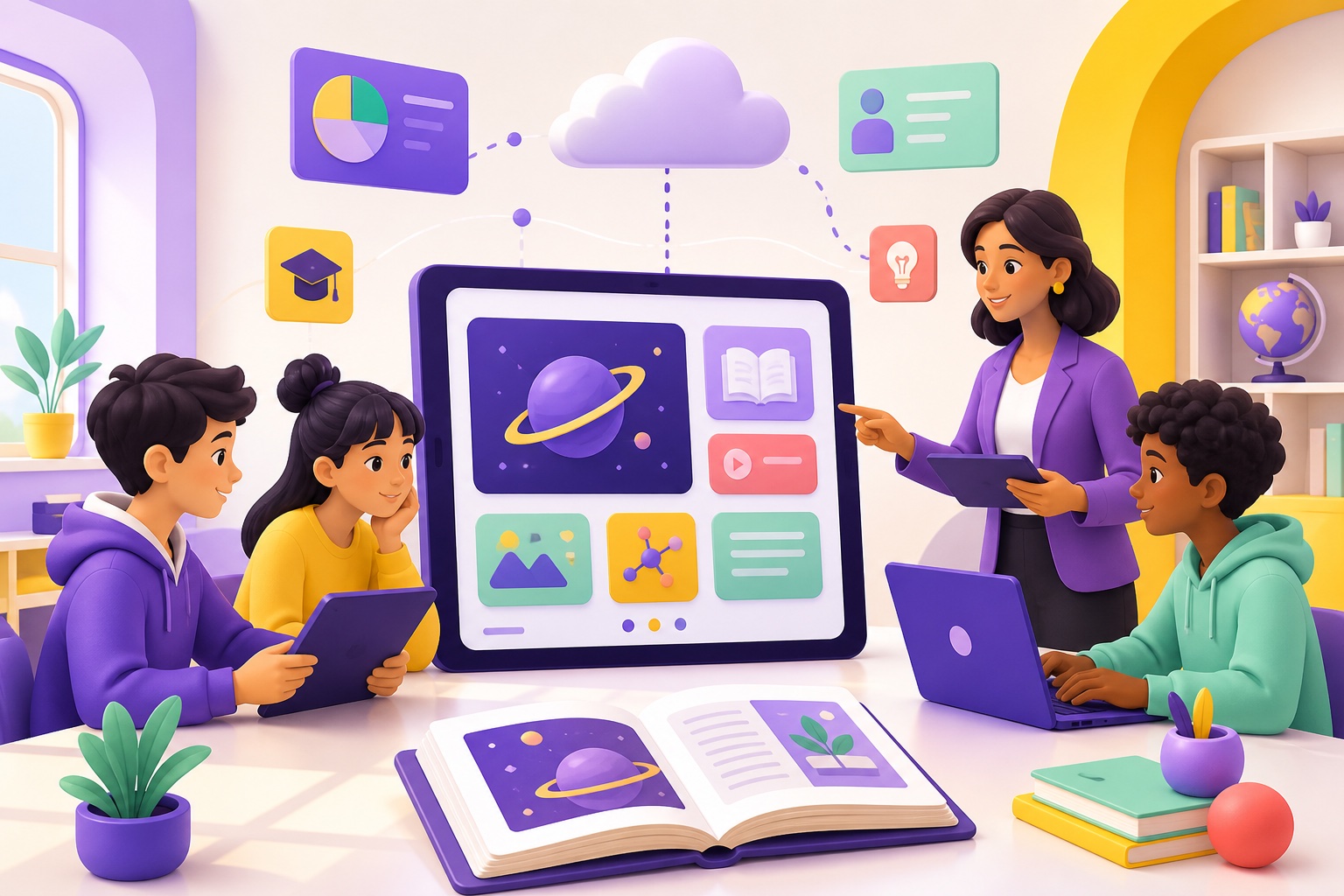
Technology has become an important part of modern education. Schools increasingly use digital tools to support teaching, communication and school management.
Technology Enhanced Learning, often called TEL, refers to the use of technology to improve the learning experience. The objective is not simply to introduce computers or tablets into classrooms. Technology should help teachers create better learning opportunities for students.
Digital resources can make lessons more interactive and easier to understand. Videos, animations and interactive activities can help explain concepts that may be difficult to present using traditional materials alone.
Students can also access educational resources outside the classroom. This creates more opportunities for revision and independent learning. One of the major benefits of educational technology is flexibility.
Students can sometimes learn at their own pace and review lessons whenever necessary. Teachers can also provide different resources according to the needs of individual learners. This can contribute to a more personalised approach to education.
Technology can also improve collaboration, students can work together on digital projects, share documents and communicate more easily, teachers can distribute assignments and educational resources through online platforms.
Digital tools may also simplify assessment, Quizzes and online exercises can provide students with rapid feedback, teachers can use this information to identify concepts that require additional explanation.
However, technology alone does not guarantee better learning outcomes, educational tools must be selected according to clear pedagogical objectives, teachers remain essential for guiding students, explaining concepts and encouraging critical thinking. Schools should therefore provide appropriate training for teachers when introducing new technologies.
Accessibility is another important consideration, digital educational resources should work on different devices and remain easy to use, schools also need to consider students who may have limited access to technology or internet connectivity.
Data protection is equally important, educational institutions manage information relating to students, families and staff, they must therefore adopt appropriate security and privacy practices.
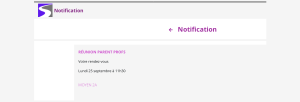
Technology Enhanced Learning can also support communication between schools and families, parents can receive notifications, consult important information and follow certain aspects of their children’s school life.
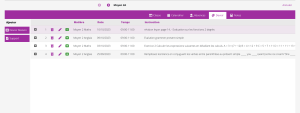
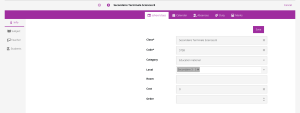
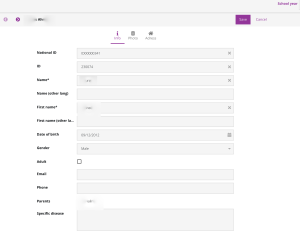
School management platforms can bring together administrative, educational and communication tools, this reduces the need to use multiple disconnected systems. For school leaders, digital dashboards can also provide useful information for decision-making. The most effective digital transformation projects usually combine technology with good organisation and strong educational practices.
Technology should remain a tool serving education rather than becoming an objective in itself. When implemented thoughtfully, Technology Enhanced Learning can help create more flexible, engaging and inclusive learning environments.
The future of education will therefore depend not only on new technologies, but on how schools, teachers and students choose to use them.